
International energy supplier
Detecting early signs of wind turbine failure with AI
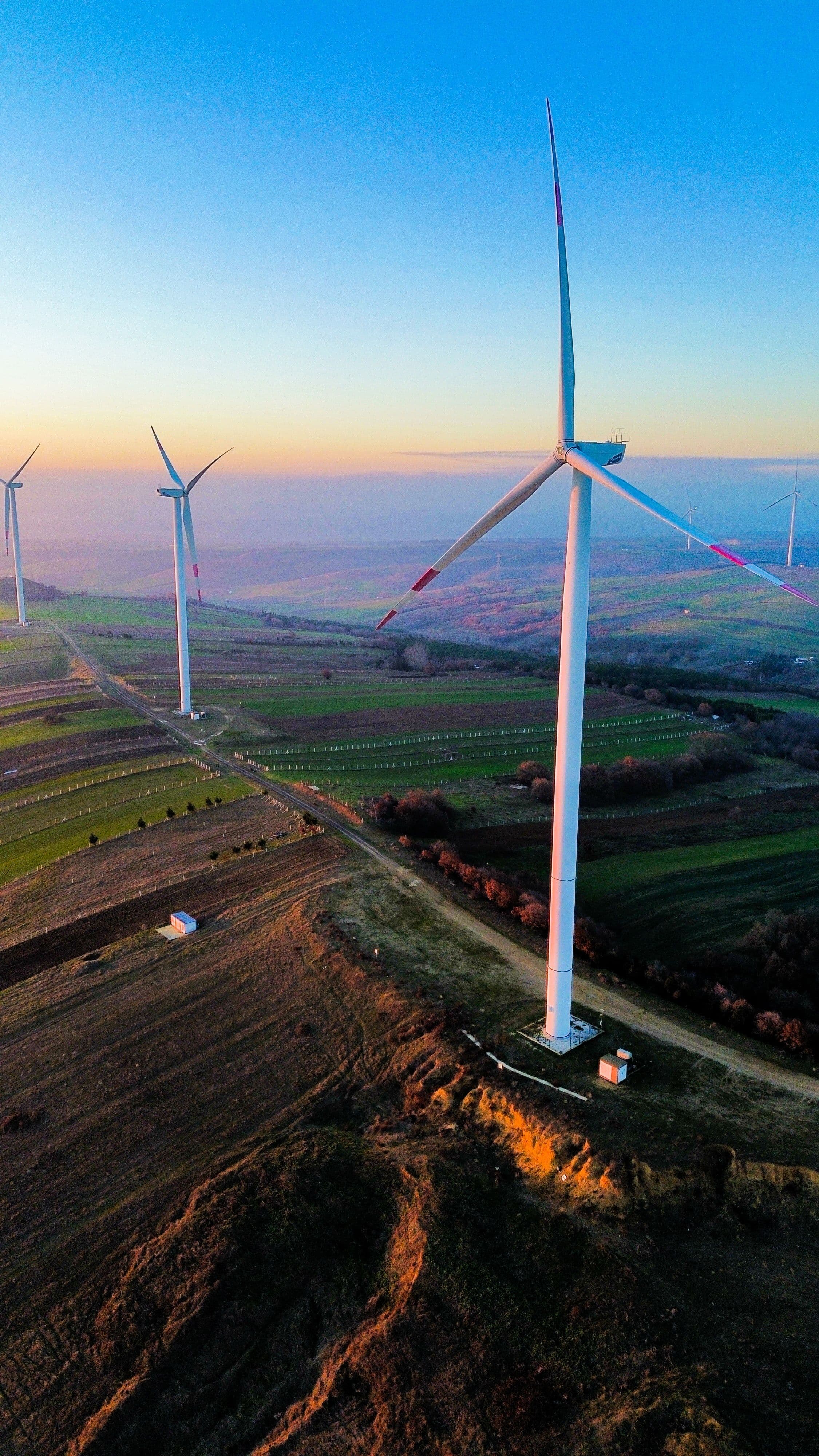
Wind turbines often operate in remote locations where maintenance is difficult. For an international energy supplier, we built an AI model that combines operational data to help engineers detect unusual behaviour earlier and plan maintenance more proactively.
How might we help engineers detect potential wind turbine defects early enough to plan maintenance safely and efficiently?
Inform
When one signal is not enough
As turbines become more complex, engineers need to interpret increasing amounts of operational data. But a single measurement cannot tell the full story. Bearing temperature, for example, changes with both the weather and the way a turbine is operating. The energy supplier therefore needed a way to combine multiple signals and identify abnormal behaviour earlier, before engineers had to rely on one measurement alone.
Analyse
Looking for patterns across multiple signals
The project team combined engineering expertise with data analysis to identify which signals could indicate a potential defect. This approach connected technical knowledge of turbine behaviour with the analytical capabilities of the model. Alongside bearing temperature, the model considered factors such as outside temperature and turbine speed. Within weeks, the model could accurately reproduce historical data. Then, during a prototype demonstration, an anomaly that engineers had recently noticed appeared in the data of one turbine. The model detected the same deviation, providing an early indication that the approach could support future failure prediction.
Activate
Bringing earlier signals into the control room
We integrated the model into a dashboard in the client’s control room, allowing engineers to view its signals as part of their existing maintenance workflow and investigate unusual behaviour more closely. The prototype showed how combining different operating conditions could reveal warning signs that a single measurement might miss. It created a foundation for earlier inspections and more proactive maintenance, while connecting engineering expertise with data-driven analysis.
Results
- AI maintenance prediction model
- Cross-discipline skill sharing between engineers and data scientists
- Monitoring dashboard installed in the control room