
Woonzorg Flevoland
Preparing elderly care for 2030
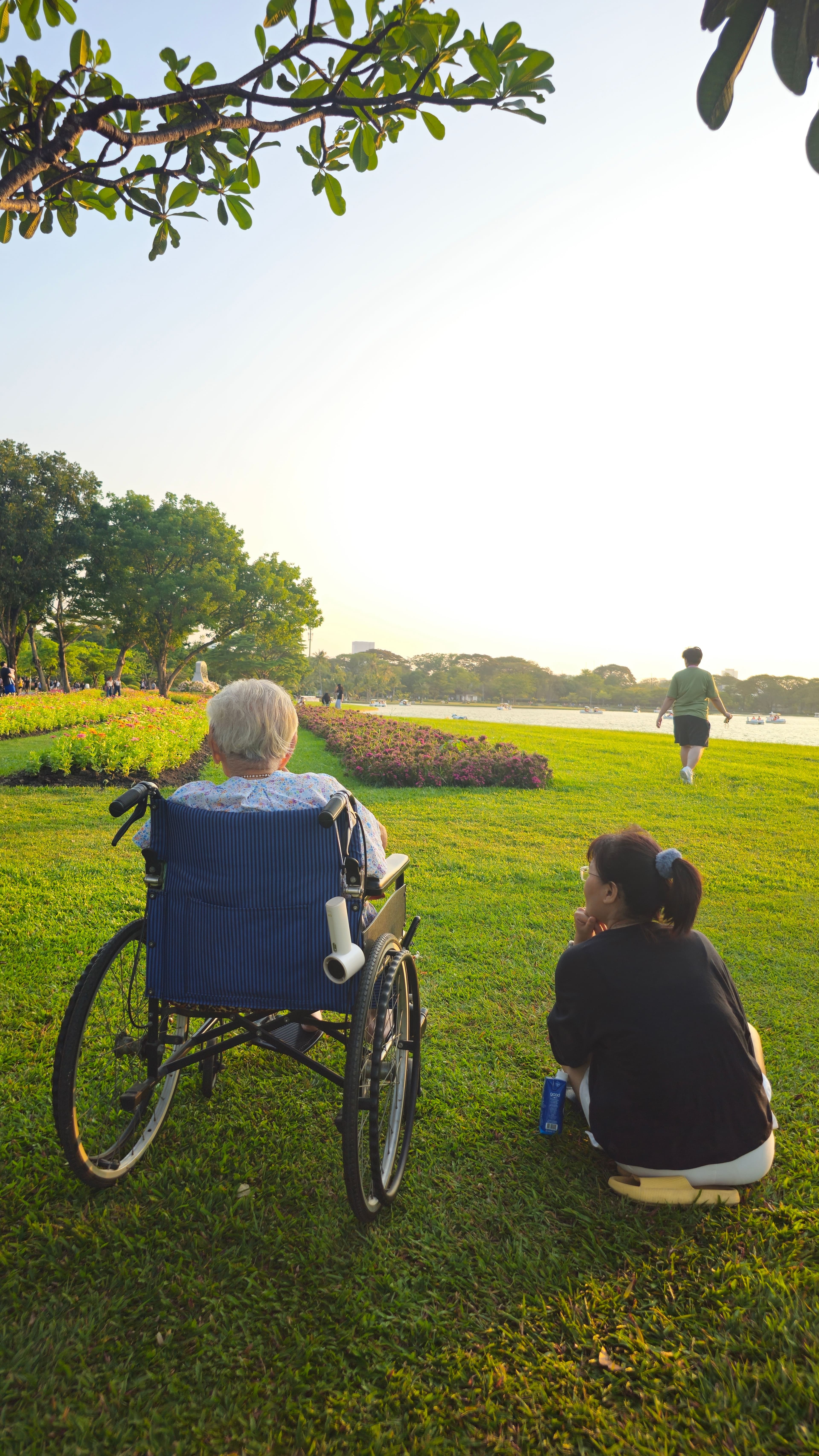
Demand for intensive elderly care is growing while the number of trained caregivers remains limited. With Woonzorg Flevoland, we used tangible prototypes to explore future care scenarios and create a five-year roadmap towards 2030.
How might we continue to provide high-quality elderly care with fewer caregivers available?
Inform
Preparing for a growing care gap
Like many care organisations in the Netherlands, Woonzorg Flevoland is preparing for a future in which more elderly people will need intensive care, while the number of trained caregivers is not growing at the same pace. By 2030, maintaining the same level of care with the available staff would no longer be possible without changing current ways of working. The question was therefore not whether care needed to change, but what those changes could look like and where Woonzorg Flevoland should start.
Analyse
Making the future of care tangible
To understand what elderly care in 2030 could mean in practice, we brought possible future situations to life through tangible prototypes. This gave Woonzorg Flevoland something concrete to respond to, question and assess. The prototypes helped identify which changes could make a difference in daily care, and we translated those insights into a five-year roadmap showing how the organisation could prepare step by step through smarter tools, new ways of working and collaboration across the care sector.
Activate
Turning future scenarios into a path forward
By making possible future situations tangible, the project helped clarify what needed to change and which steps could come first. These insights were brought together in a five-year roadmap towards 2030. The prototypes and roadmap were then shared with partners from across the care sector, extending the conversation beyond Woonzorg Flevoland and creating a starting point for further collaboration around the future of elderly care.
Results
- Prototypes that spark dialogue — concrete concepts made future challenges visible
- A clear roadmap showing the transition to sustainable care by 2030
- Collaboration and awareness across the sector