
One of the largest airports in Europe
Optimising airport traffic flow
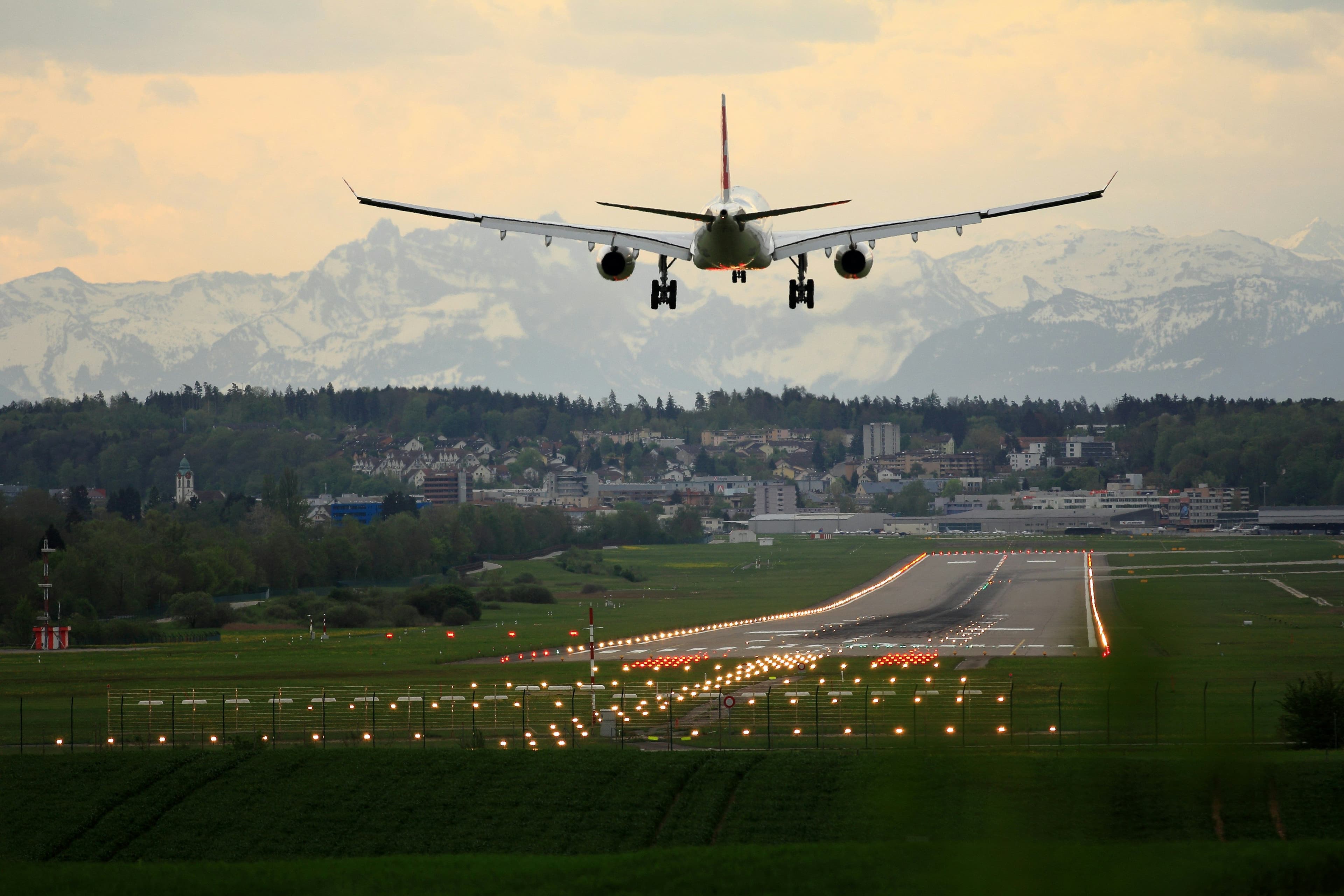
As traffic across runways and taxiways increases, coordinating movements becomes more complex. With one of Europe’s largest international airports, we built a Traffic Management System prototype to coordinate vehicle movements, improve traffic flow and reduce delays.
How might we optimise airport traffic flow to reduce delays and increase capacity?
Inform
Airport capacity starts with ground coordination
Airport manoeuvring areas, including runways and taxiways, play a central role in keeping passengers, cargo and airport operations moving safely and efficiently. When these areas become congested, airport capacity decreases, fuel consumption increases and the environmental impact grows. Improving the flow therefore required a way to coordinate vehicle movements more effectively across the airport.
Analyse
Smarter routing through connected vehicles
We designed a Traffic Management System to coordinate vehicle movements across the airport’s manoeuvring areas. The prototype brought together three components: vehicles approaching the same intersection could communicate and coordinate their movements, autonomous vehicles could use live traffic information to select alternative routes, and prioritisation gave certain vehicles precedence when needed. Together, these components formed the foundation of the Traffic Management System prototype.
Activate
Smarter coordination keeps airport traffic moving
The team developed the Traffic Management System prototype as a digital simulation. In the simulation, intersection capacity increased by 33%, while smart routing reduced average vehicle delay by up to 50% during peak hours. Priority vehicles achieved 10% higher speeds, contributing to fewer delays across airport operations.
Results
- 33%Higher capacity of intersections
- 50%Reduction of average vehicle delay during peaks
- 10%Higher speed of priority vehicles