
Multinational airline company
Improving aircraft weight prediction with AI
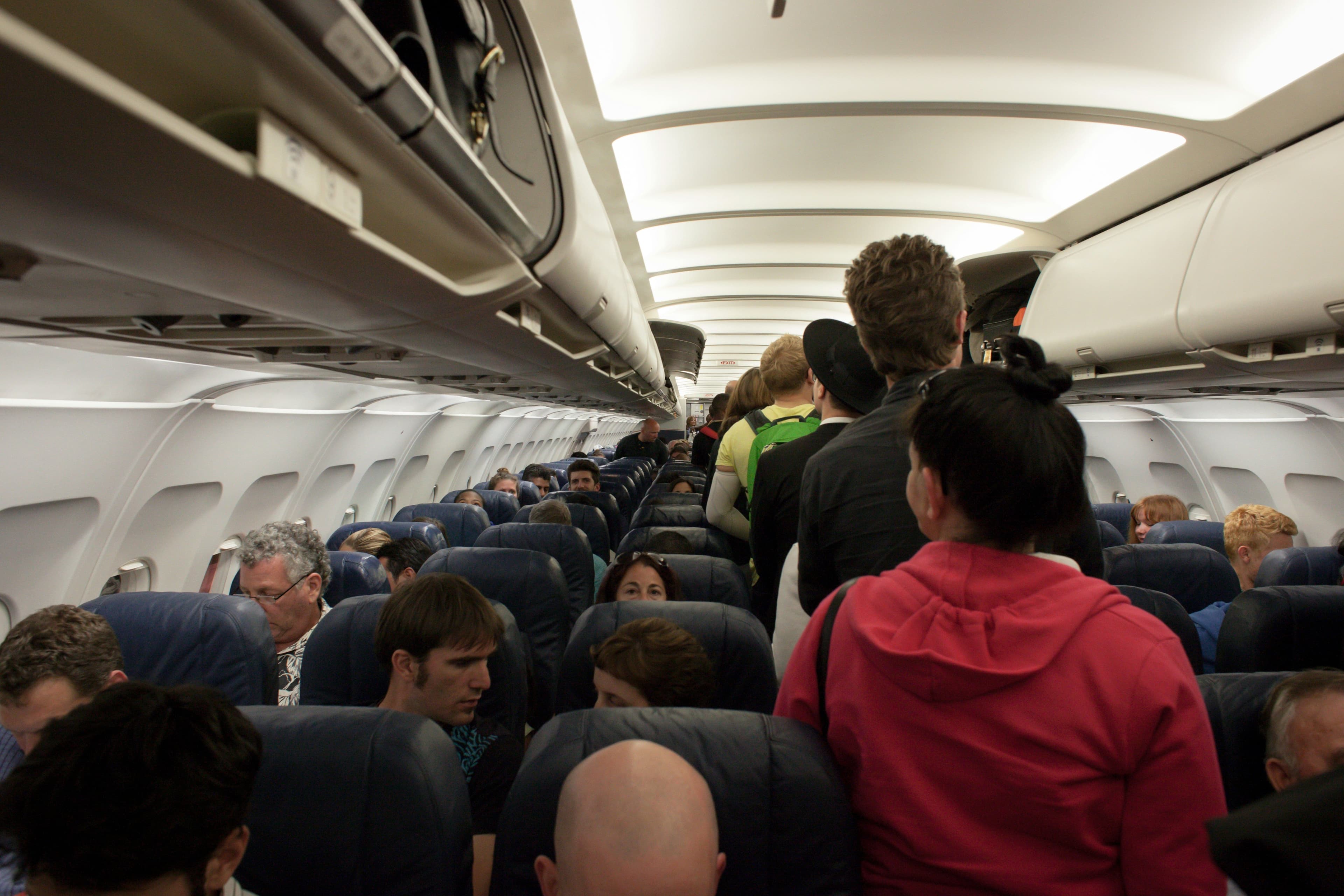
Efficient flying depends on accurate weight estimates, but passenger weight cannot be measured directly. With a multinational airline, we tested whether computer vision could improve these estimates without disrupting boarding or compromising passenger privacy.
How might we predict passenger weight more accurately without disrupting boarding or compromising privacy?
Inform
When one estimate affects the entire flight
Reducing CO₂ emissions is a key ambition across the aviation sector. The more accurately an aircraft’s total weight is known, the more precisely fuel, speed and flying height can be aligned. Most of that calculation is based on measured data. Passenger weight was the exception. It was estimated using the average weight of everyone on board, making it the largest remaining opportunity to improve the accuracy of the overall aircraft weight calculation.
Analyse
From pixels to passenger weight
Our starting assumption was simple: if a depth sensor could measure body volume, could it also help estimate someone’s weight? Previous research had shown that similar technology could predict BMI by analysing a face, giving us reason to test the idea. At the airport, 670 people voluntarily participated, generating 20,100 frames over 15 hours. We turned those images into data the AI model could learn from, using features such as height, age and volume and repeatedly refining the model to reduce the difference between predicted and actual weight.
Activate
Making the estimate significantly more accurate
The result was an 88% reduction in the deviation of predicted passenger weight. The prototype also showed the potential of computer vision to improve aircraft weight calculations, reduce CO₂ emissions and deliver estimated six-figure business cost savings.
Results
- 88%Reduction of weight deviation in the AI model
- 670People voluntarily recorded
- 20,100Frames of data collected
- 15hOf data collection